
An Army of One
In the 90’s the United States Army had a recruiting campaign entitled “An Army of One.” It was supposed to appeal to the individualism of Gen Y. The campaign failed miserably and was soon discarded.
Despite the campaign’s short lifespan, its legacy lingered in military marketing circles, serving as a cautionary tale about the risks of prioritizing individual achievement over collective purpose. Subsequent recruitment efforts shifted focus, emphasizing teamwork, camaraderie, and the shared values that unite soldiers.
Cautionary Tale
This cautionary tale is applicable to the recovery community too. When we place individual achievement over our primary purpose we soon stray from our spiritual path. Just as the Army discovered the pitfalls of elevating the individual above the group, so too must those in recovery remember that unity and shared purpose are the cornerstones of lasting progress. When members focus solely on personal milestones or seek recognition apart from the group, the fellowship risks losing the very foundation that supports collective healing. By recommitting to common goals and spiritual principles, the recovery community can maintain its strength, ensuring that each person’s growth is nurtured within a supportive, interconnected network that honors both individual journeys and the greater good.
The Pitfalls of Individual Service Commitments
After the COVID pandemic, I encountered a situation that highlighted the risks of placing individual efforts above the collective mission. I was approached by a staff member at a treatment center where our group had been sending speakers for over a decade. They called to ask about the two speakers who had regularly attended Monday night sessions. I explained that our group provided speakers for Thursday nights but promised to investigate their concerns.
Upon investigation, I discovered that both Monday night speakers had become ill during COVID and could no longer fulfill their service commitments. While their dedication to service was admirable, their efforts were carried out independently, without the knowledge or support of the broader recovery community. This meant that when they were unable to continue, there was no one prepared to step in and maintain continuity. As a result, the program’s reputation suffered, as the absence of speakers went unnoticed until the staff reached out for help.
In another striking example, a group remained closed for eighteen months before anyone realized. The group leader had left, and the remaining members ceased attending. Sadly, no one contacted the meeting guide publisher to update the group’s status from active to inactive. This oversight resulted in newcomers arriving at the meeting location for a year and a half, only to find no meeting taking place. This reflected poorly on the fellowship.
A Program of “We”
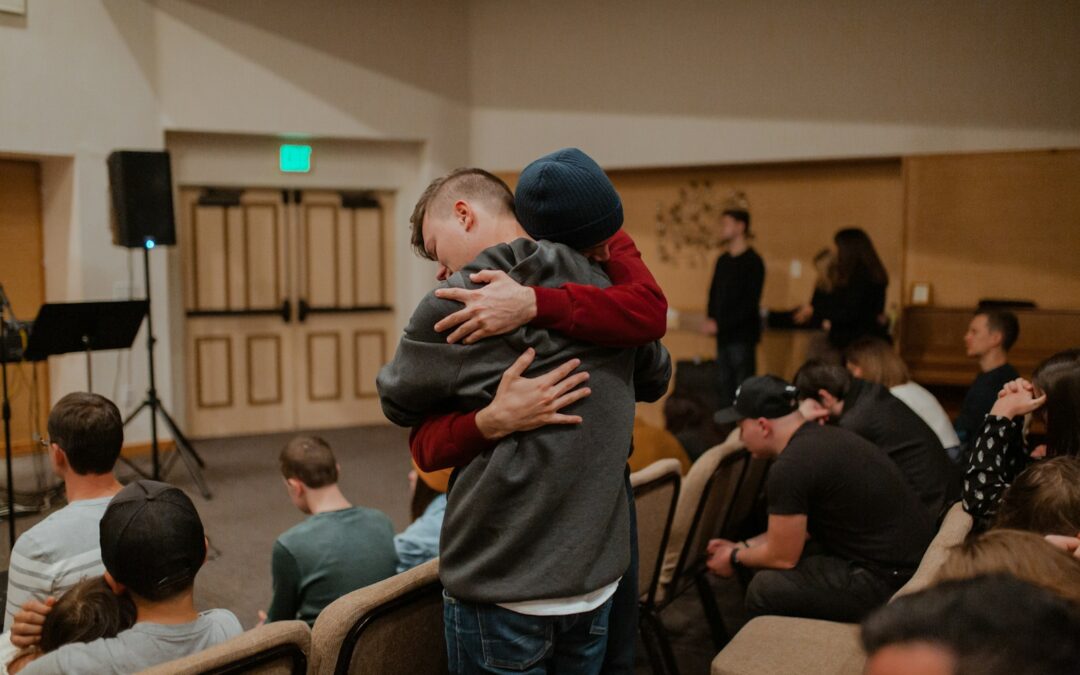
Such incidents underscore the importance of collective responsibility within the recovery community. The program is founded on the concept of “We.” The first step states, “We admitted We,” not “I admitted I.” This language emphasizes that recovery is a shared journey. Each member is part of a fellowship—your people are my people, and I am a member of your tribe. Our strength lies in doing the program together, supporting one another, and conducting our service commitments as a unified group. Individual efforts are not sufficient; unity and collaboration are the foundations of lasting recovery.
While rugged individualism may have been central to the founding of this country, it can become a stumbling block within the context of recovery. Long-term recovery and continued growth depend on our willingness to set aside ego-laden individual pursuits in favor of collective action. Working together as a fellowship ensures that no one is left behind and that our shared purpose remains our primary purpose, i.e. Each group has but one primary purpose to carry its message to the alcoholic who still suffers (Tradition V).








0 Comments